We, Ecological Engineering Laboratory (EEL), works on the sustainable use of ecosystem functions, ecological impact assessment, and related fundamental natural sciences, primarily in aquatic environments. One major focus of our research is nutrient and organic matter dynamics in aquatic ecosystems and their interactions with various human activities, such as sewage management, fisheries and aquaculture, and ecosystem conservation practices. We emphasize that human activities should be aligned with system-specific biogeochemical processes and operated within ecological carrying capacities. Through our research, we aim to propose novel and scientifically sound tools and ideas to help achieve these goals.
We conduct field-based research in our region as well as field sampling campaigns across multiple regions. Our research relies heavily on analyses of chemical markers, such as stable isotopes, fatty acids, and trace metals, to understand the sources, pathways, and behavior of materials in aquatic ecosystems. We are also increasingly applying various modeling approaches, including process-based numerical modeling, mathematical optimization, and causal inference.
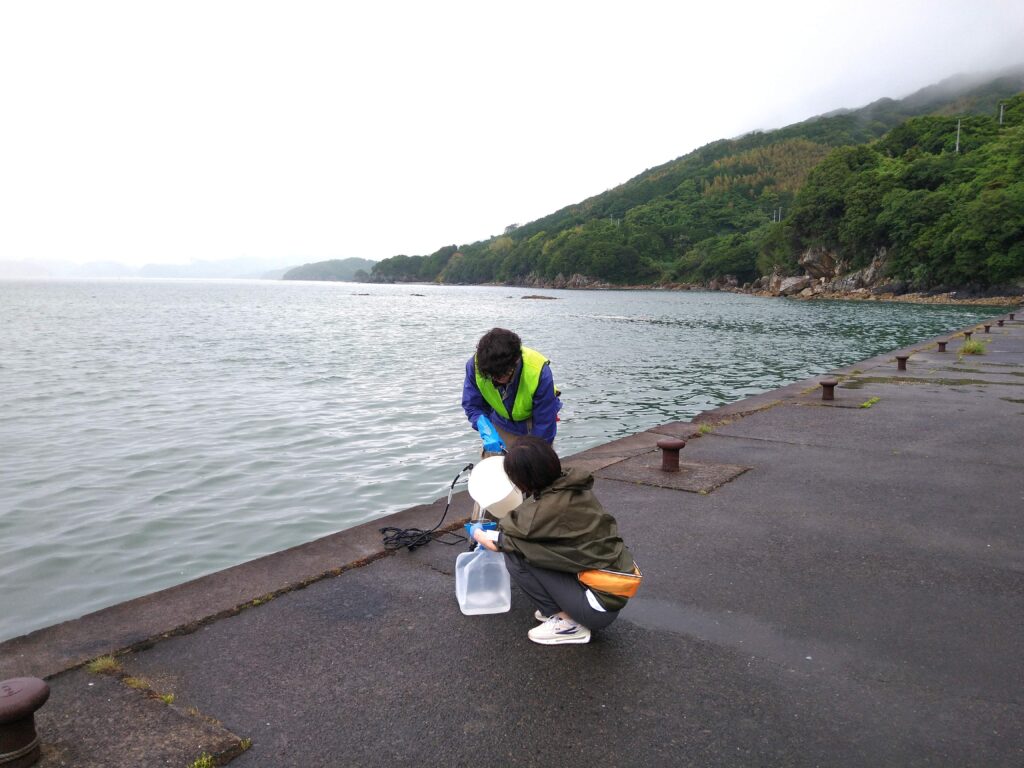
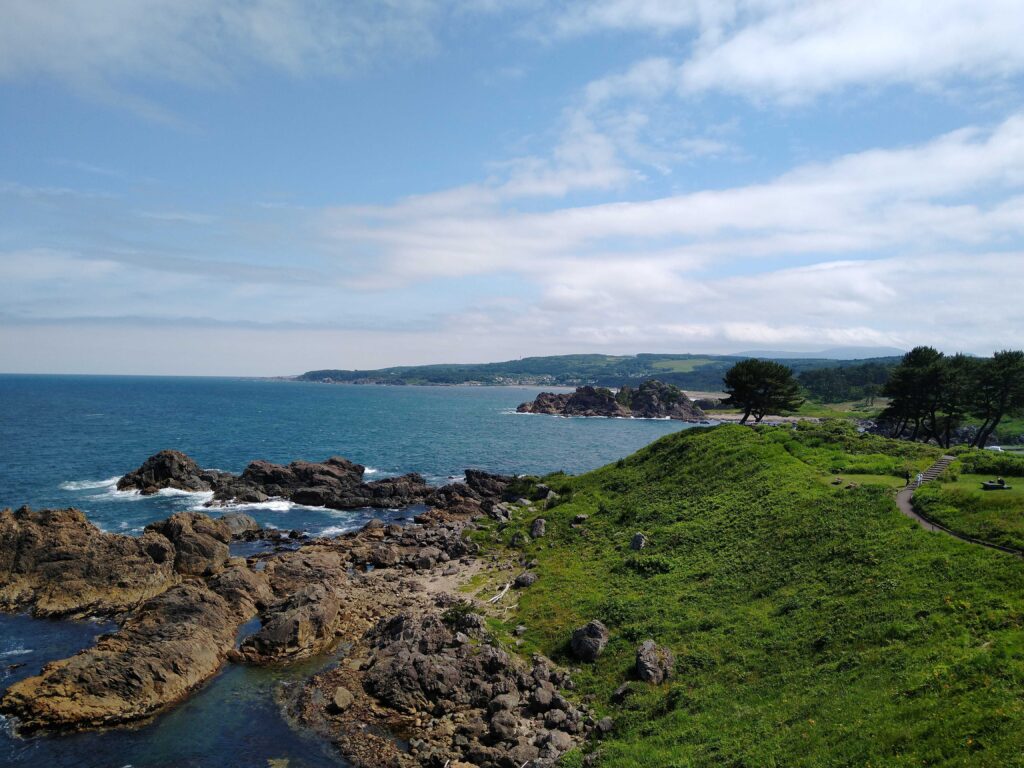
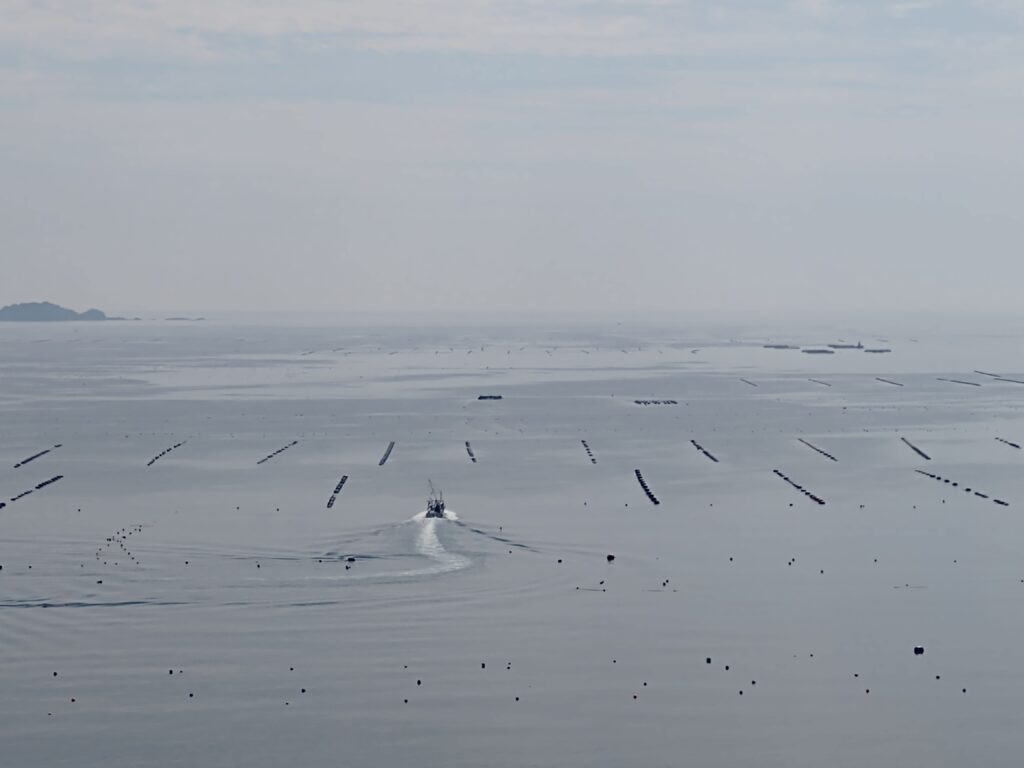
In addition, as a new research direction, and in response to the recent societal movement toward Nature Positive initiatives, particularly those involving changes in financial and investment systems (e.g., TNFD, ecolabels, and nature credits), our group has begun collaborating with environmental and behavioral economists. Through these collaborations, we aim to better translate our natural science research outcomes into applied and policy-relevant contexts.
We welcome collaborative research with academic and industrial partners and are also seeking highly motivated students interested in these research directions.
Takashi Sakamaki, Professor
Sakamaki completed his doctoral degree in Civil Engineering at Tohoku University in 2001. He subsequently worked as a postdoctoral researcher at the School of Economics at Tohoku University, followed by the Department of Forest Sciences at the University of British Columbia, Canada. He later obtained an Associate Professor position at University of Ryukyus, Okinawa, Japan, and in 2013 returned to Tohoku University as an Associate Professor and a member of EEL. He was a Visiting Professor at Dalhousie University, Canada (2019–2020) and has been a concurrent researcher at the Advanced Institute for Marine Ecosystem Change (Tohoku University & JAMSTEC WPI-AIMEC) since 2024.
>> Google Scholar
>> Tohoku University Researchers